
meet jc. members vol.2 - tony chen, senior associate
From Kuala Lumpur to Multinational Corporate Design: An Atypical Path to Success with Asian Family Expectations - “Always Go Crazy, Always Go Wild”
What does it mean for you to design?
Well, being an architect or being in the design field was never my first choice. It was never on my mind at all.
During my teenage years, I was more interested in having fun and I just liked to play too much. Coming from an Asian background, my family always hoped I’d become a lawyer or a doctor. However, I knew I wouldn’t make a good lawyer because I don’t enjoy memorising things, and I wasn’t cut out to be a doctor since I didn’t choose biology as a subject. (laughs)
However, I was really good in physics and math and was also skilled at hands-on things. With those three in mind, I started to look into what I could do for my potential career paths. My sister suggested, “Since you’re good at math and making things, why not study Product Design?” I thought it sounded interesting, but unfortunately, Product Design wasn’t offered in Malaysia at that time, nor in Singapore. My hopeful options were to study in the UK, the US, or Germany. However, my mom was against me studying abroad, fearing I might stray off track.
Malaysia follows an 11-year education system based on British standards, so I graduated high school at 16. So, studying abroad was not an option for me at that age.
Then, I told my mom I wanted to be a pilot, which had always been my dream—first an astronaut, second a pilot, and third an archaeologist. I was also hesitant to attend university in Taiwan because, while I was good at Mandarin, my writing skills were lacking.
One day, my friend mentioned he was visiting a university in Kuala Lumpur, and I decided to join him. I discovered they offered a program in ‘architecture’. I recognised the term from computer chip design and the movie ‘The Matrix’, where key programmers are sometimes called ‘architects’. I thought it might be similar.
To my surprise, it was about designing buildings. I gave it a try and, fortunately, I graduated. I didn’t pass with flying colours, but I made it through.
How did JC. discover you, or the other way around? What persuaded you to join JC.?
Such a long story. (laughs)
I joined JC. like 5-6 years ago, I think. I left Taiwan when I was 11 years old, and because I never really lived in Taiwan, so after my graduation, I had this vision and wanted to live in Taiwan.
I started pursuing my professional degree in architecture at first, but it turned out that architecture in Taiwan is not that challenging from a design perspective, it’s all compliance to code and a lot of theses, and calculations, which was totally different from what I learnt in Malaysia. Because of the British influence we have in Malaysia, things are more design-driven, feelings-led, and conceptualised—something that I didn’t find in Taiwan.
So then I went into interior design firms and it was fun at the beginning because being an architecture graduate, I seldom do interior design. I started with building 3D models for interior spaces and that’s when I began to use design renderings to look at different design ideas.
My starting point was a 3D designer, then gradually, I moved into 2D, starting to draw construction drawings and design drawings etcetera. Then, one day, I didn’t know what happened, I noticed that in my past interior design experience, I never really understood how we were supposed to do a great design. By great, I mean, the right process, the thought process, the research and study of the client and the space. So then one day I was, not to say I was enlightened, but I was sort of ‘woken up’, knowing that there was so much more in design than just looking at functionality and aesthetics—which is how things were at the previous firm that I was working at.
it so happened that I knew Vincent, my ex-colleague from another firm, who was working at JC., so I started to look into JC.’s profile and website, and I said: “Oh, this is what I want to do.”
I didn’t need to read to understand, I could just see design concepts by looking at the images. For that reason, I asked Vincent to see if he could help me to get an interview with Johnny. And then I went.
When I came to JC. and had an interview with Johnny, there were a lot of discussions because, at the time, JC. was kind of expanding, wanting to do larger space projects and my skill set fit what he needed at that moment. So then I was hired.
And yeah, that’s about it.
Has JC. helped you realise things you didn’t appreciate before?
I think given that my current status in JC. is a bit different than before, I still try to hold on to the primary methodology of doing design, and that is ‘always go crazy, always go wild’ even though you know it’s not right, but you just try.
I like to do designs that have more freedom, and by freedom, I mean the client has no clue of what they want. There is a fixed base, and how we can make that fixed base into something very crazy and different.
And that was the reason why I joined JC.
So bottom line, the realisation is that I like to do projects where I have more freedom and creativity. To me, there’s no right or wrong, only whether I’ve done enough or not enough. I believe in the natural flow of things. I often remind myself of the Chinese idiom: 船到橋頭自然直, meaning ‘all will be good’.
What values have guided you since you first arrived at JC.? Can you describe your journey from starting as a new employee to becoming one of the main pillars of JC.?
I think this question is a bit difficult for me to answer because I’ve only been here 5 to 6 years and because I’ve been gradually changing all the time.
I started as a regular designer, and now I’m an Associate in a 5-year time. In a way, these transitions were both challenging and rewarding to me. What I really like to do is to design by myself. While I had to step away from my primary passion for hands-on design, I still find brief moments to engage with it and to be involved with the process, even if only for personal fulfilment. Even though I know this is not going to work, I still want to touch it and play with the design.
Given the choice, I might prefer to remain a PM (project manager) focused on design. However, I embrace my current role with dedication, constantly making decisions with the best interests of Johnny and Nora in mind. I have been training and telling myself that when a client has concerns, I take full responsibility, trying to lessen the managerial burden on them (Johnny and Nora).
Though, there are a couple of things that I never changed. I always like to help my colleagues, and that never changes. Always tried to push for multiple design options, that didn’t change. And, trying to fight for my own design, that hasn’t changed, I think. I think that I try to fight for my design more and more.
Well, OT didn’t change. (laughs) I started by being a very passionate designer, always giving out to Johnny, and helping the company, with at least a dozen design ideas and drawings. I used to OT until 4:00 in the morning, so, dedication has always been there.
At the end of the day, I'm here to support the company and my colleagues while still finding ways to stay connected to my passion for design.
If you have to pick three projects that you feel the most emotionally and mentally attached to, which projects would you pick and why?
I’ve only completed about 10 or 11 projects at JC.
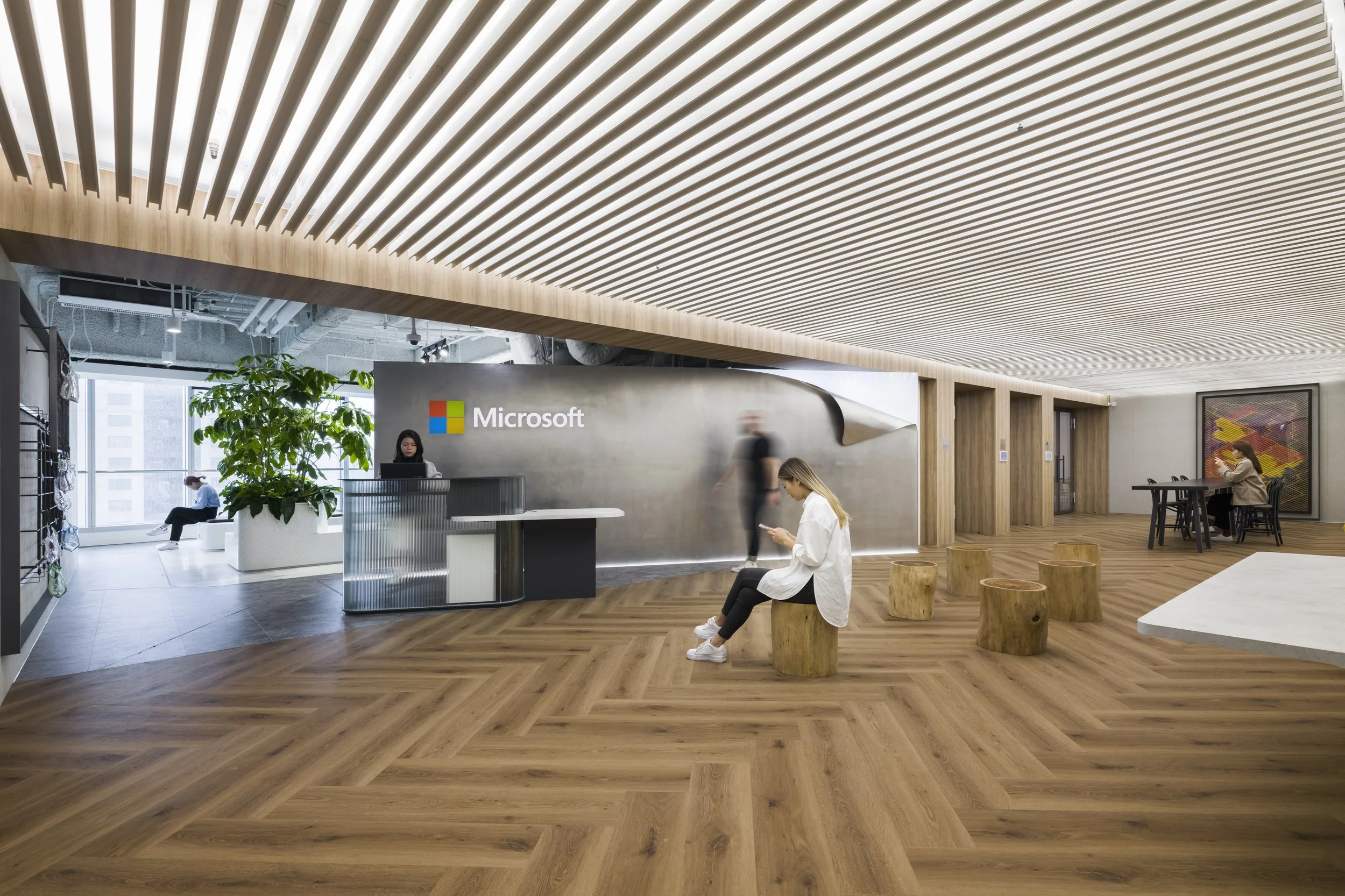
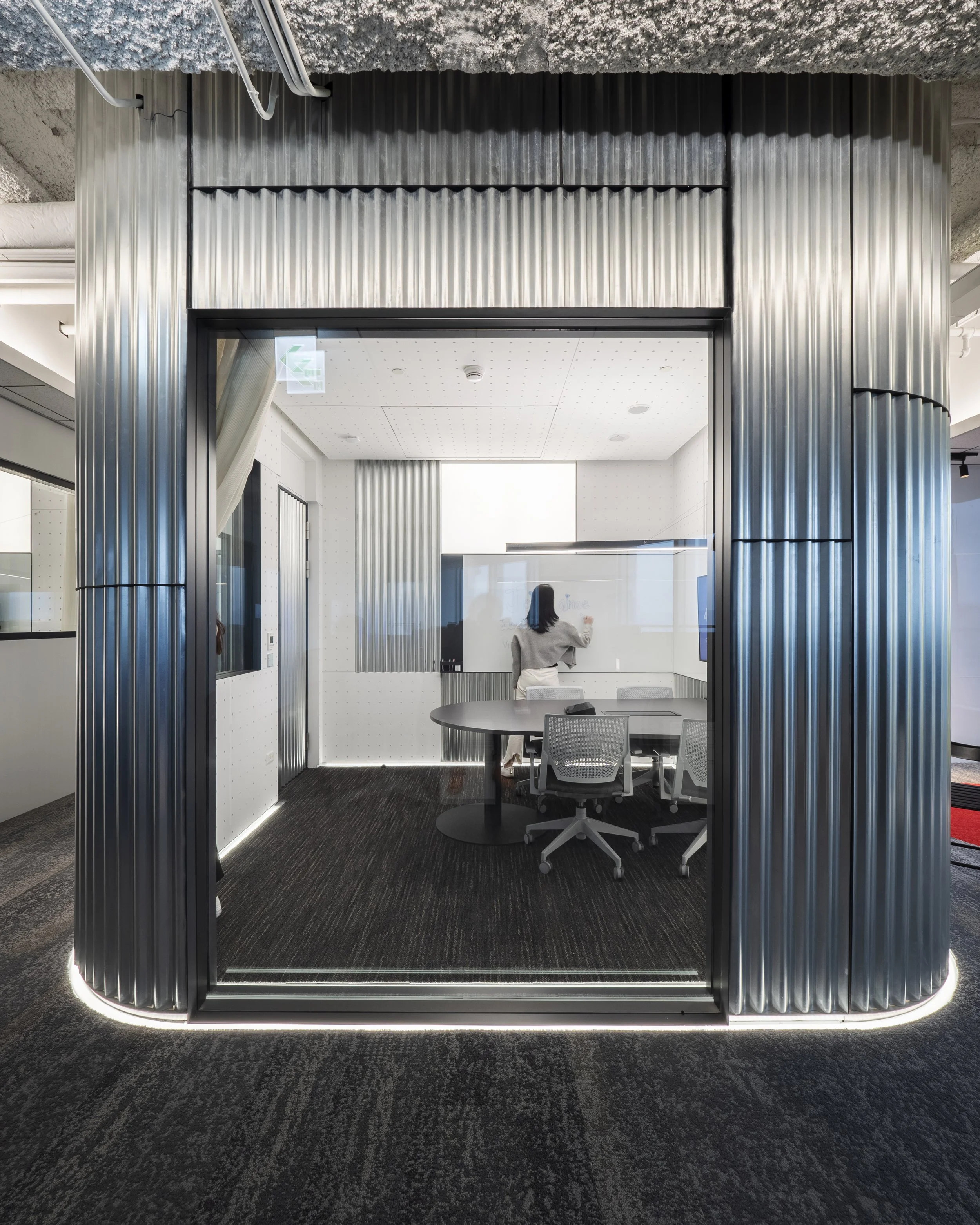
My biggest accomplishment, and that I think, is the Microsoft Office. I’m particularly proud and emotionally attached to it because, when I joined JC., I promised Johnny two things: I wouldn’t leave the company within two years, and I would secure a significant international project, which I fulfilled both with the Microsoft Office project. This project taught us a lot, both in design and functionality. We explored different design philosophies, considering aspects like generation, age, gender, and equality, which were areas we hadn’t focused on before. As a result, we’ve grown into a company with a comprehensive understanding of international design methodologies. We have a bible of ‘What makes a great office’, complete with the optimal dimensions for various spaces.
The second project is the Financial Industry Office Building project. A key member of JC. left, and I had to take on double the workload, especially challenging during the pandemic. We worked overtime every day, wore safety suits, and constantly sanitised ourselves. It was intense, facing almost 1000 people daily. Despite all that, the project turned out to be great, which added to my emotional attachment.
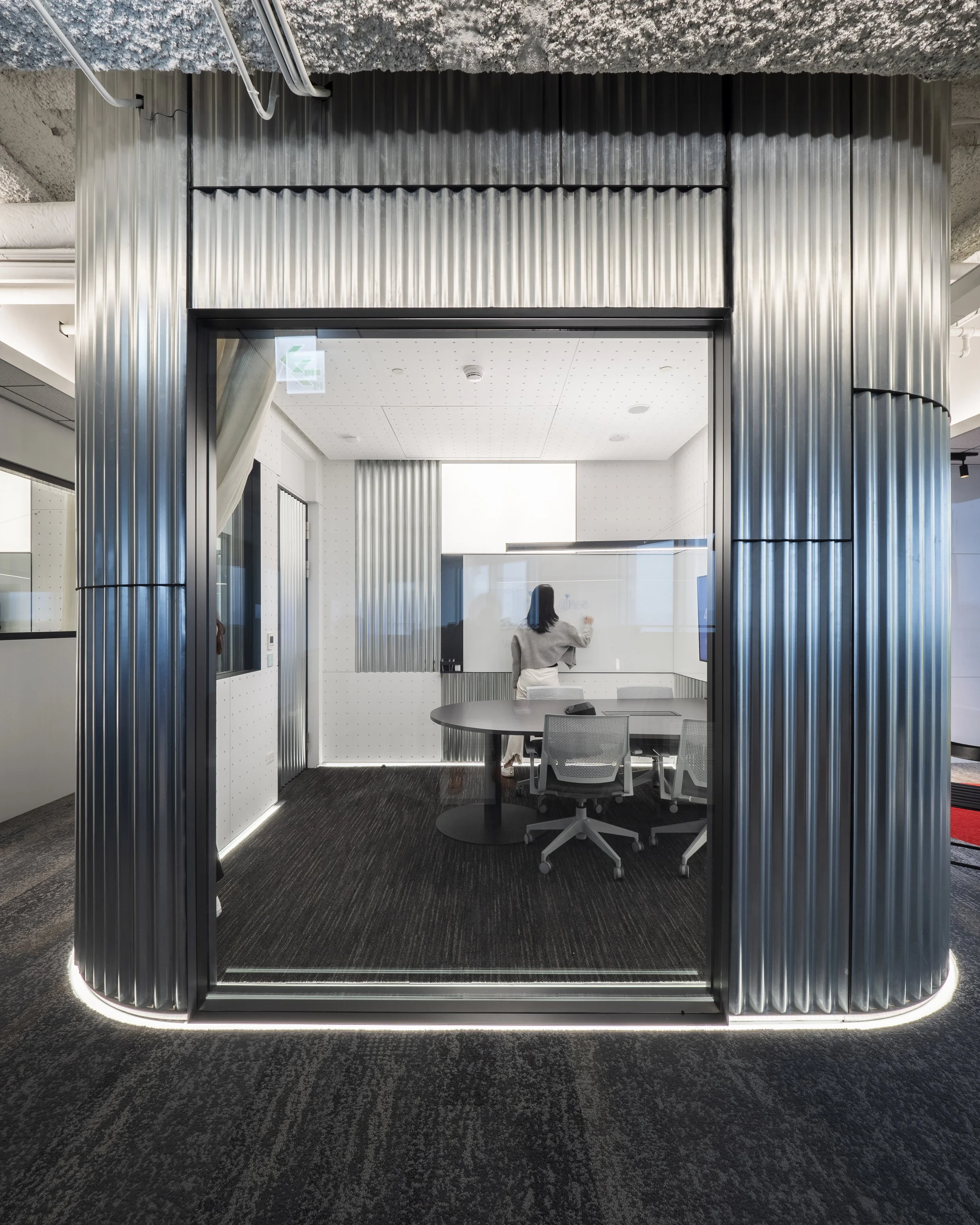
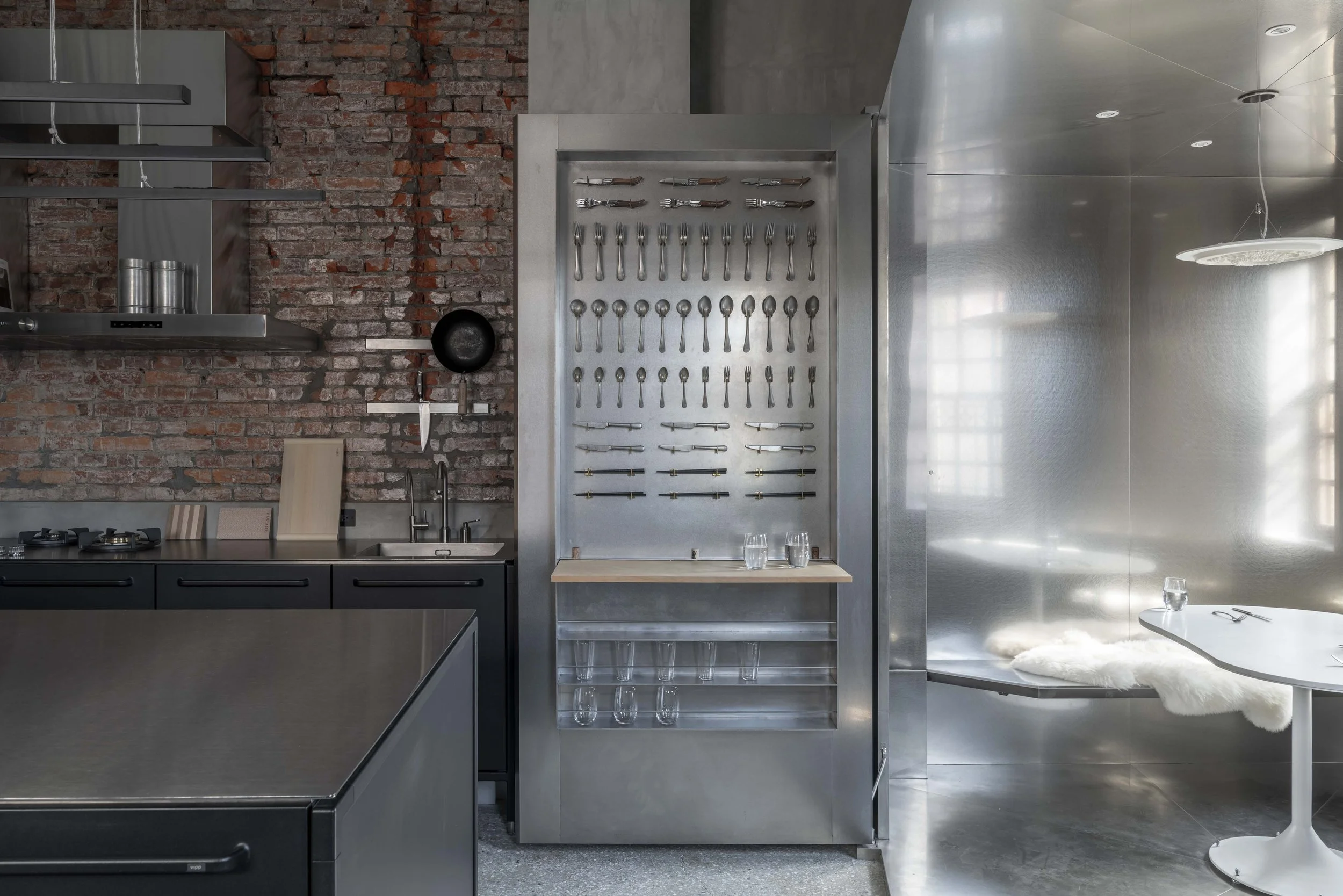
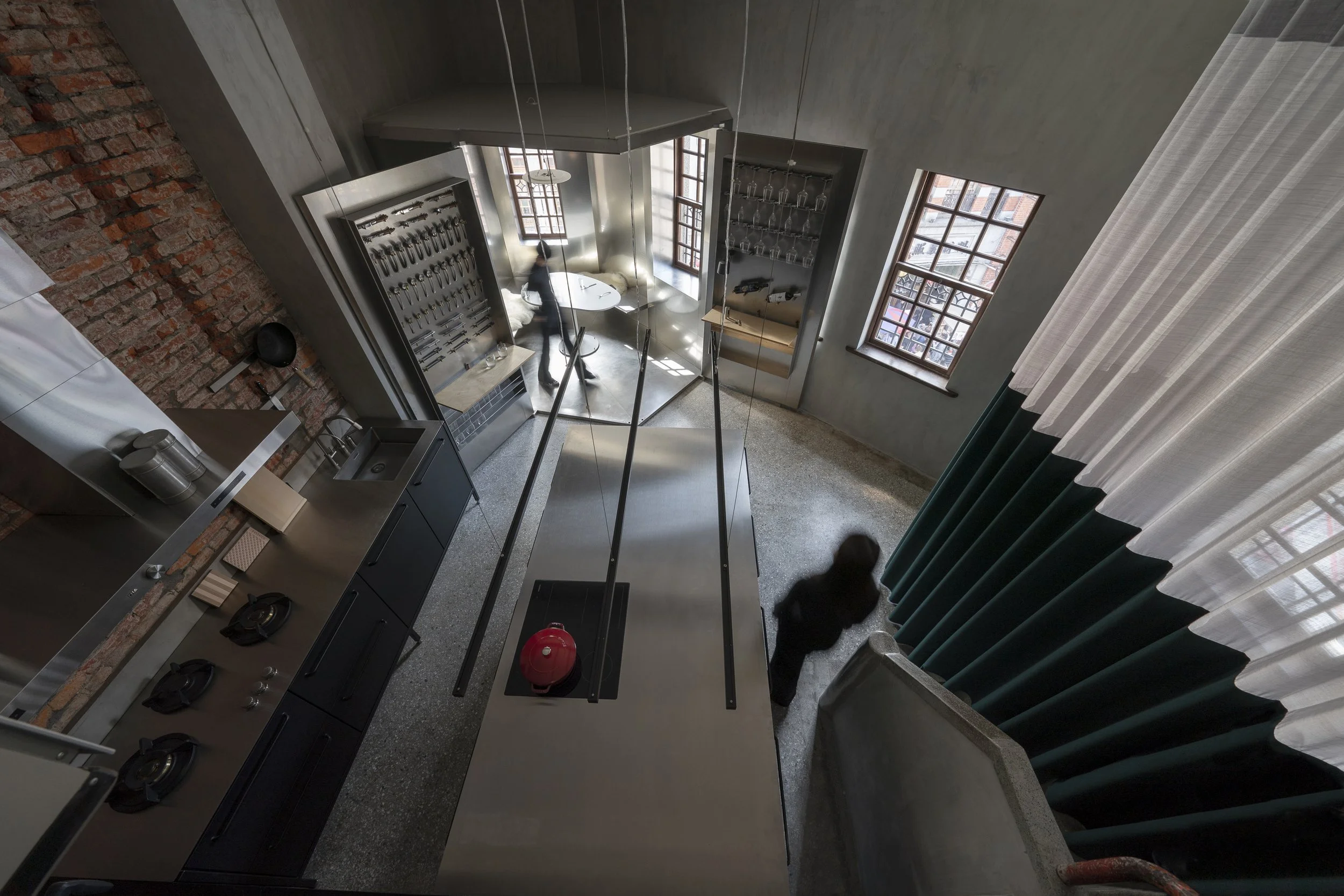
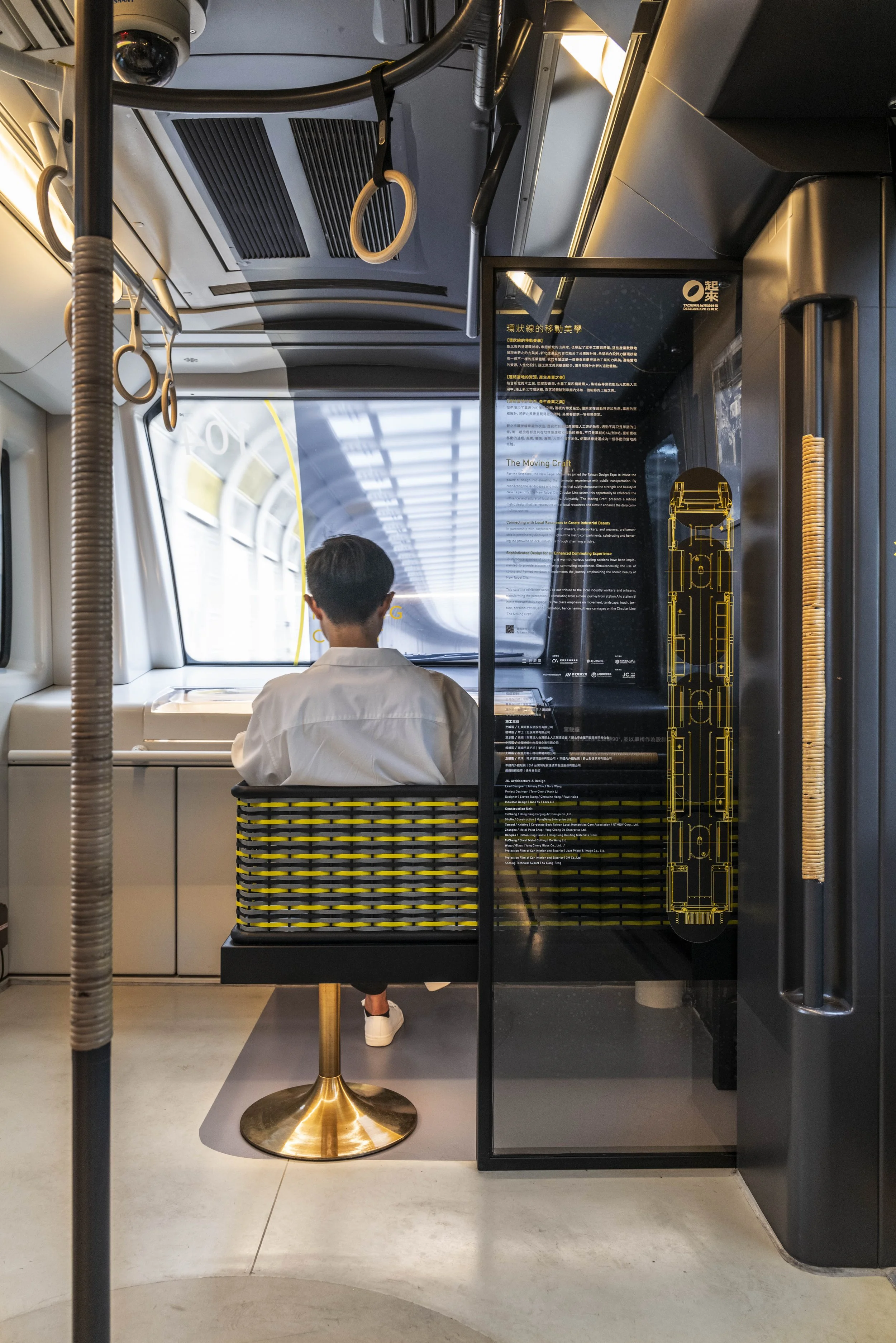
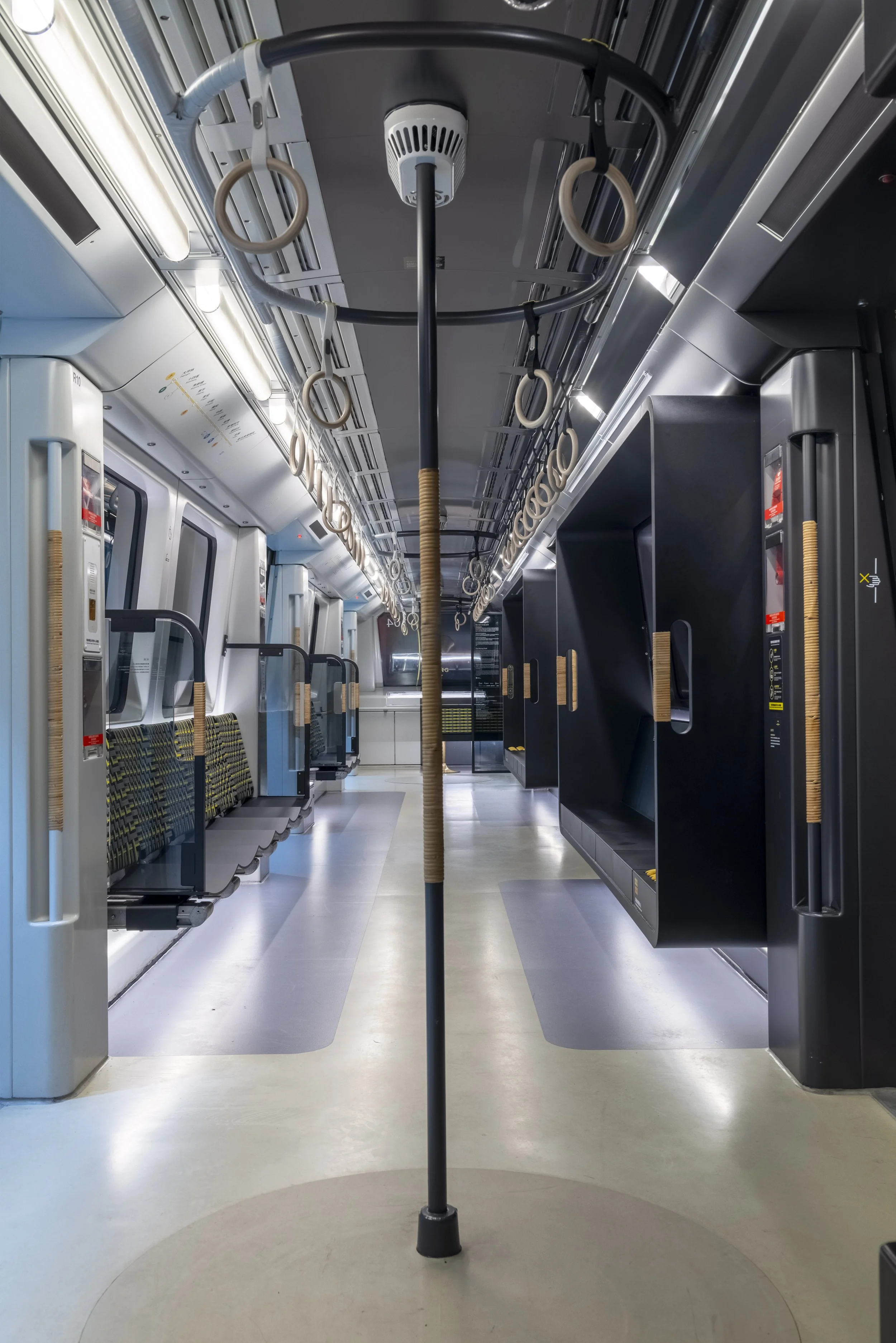
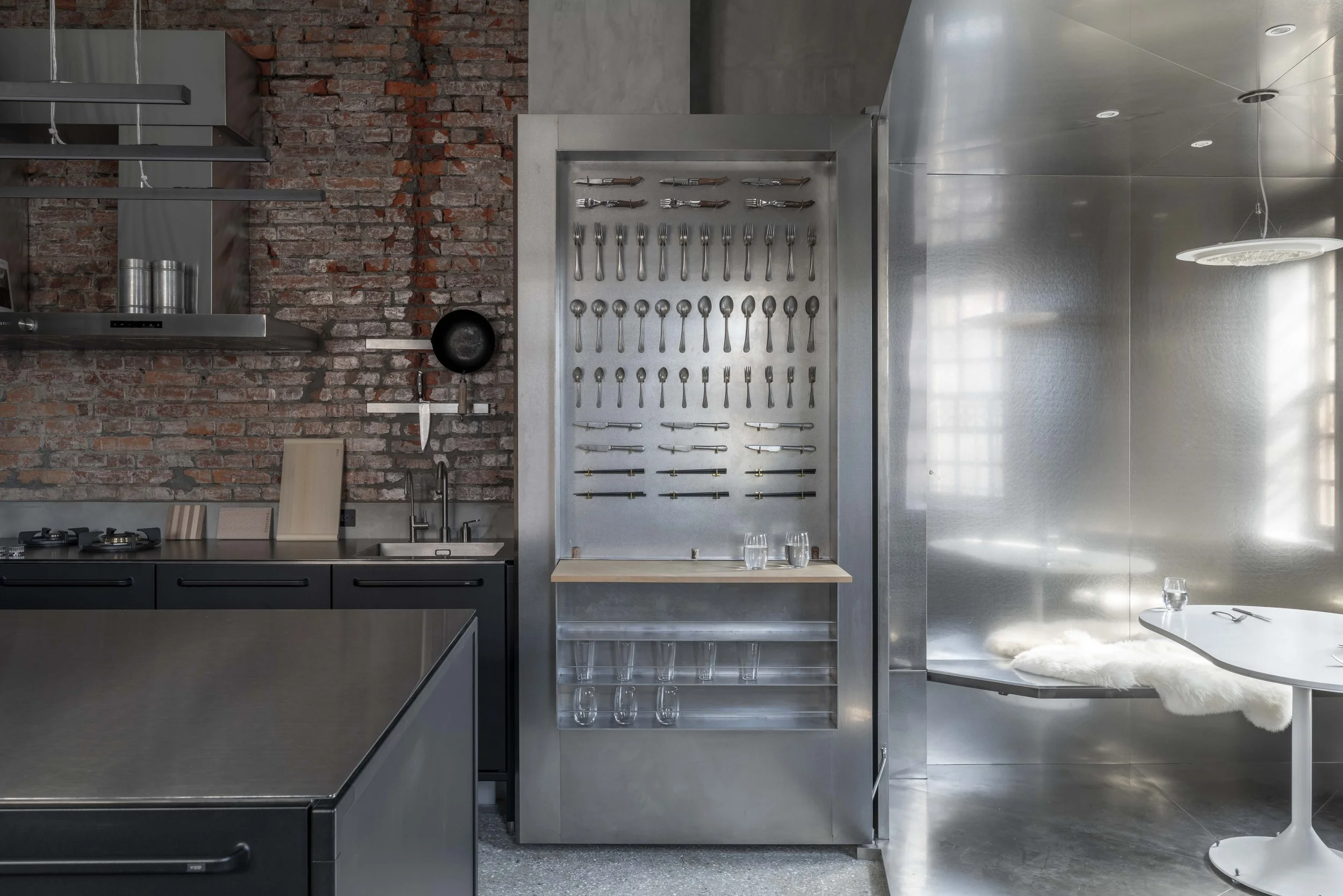
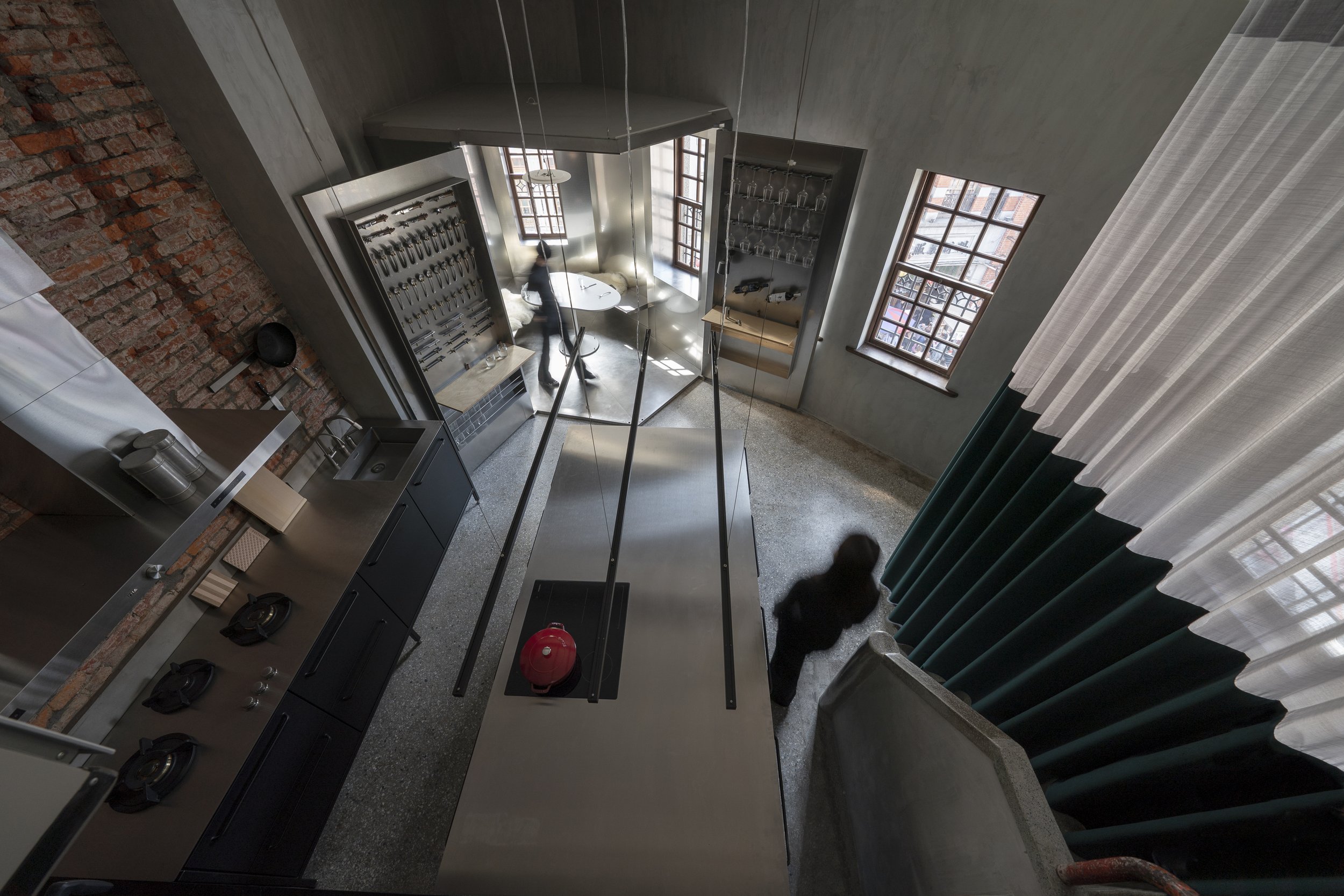
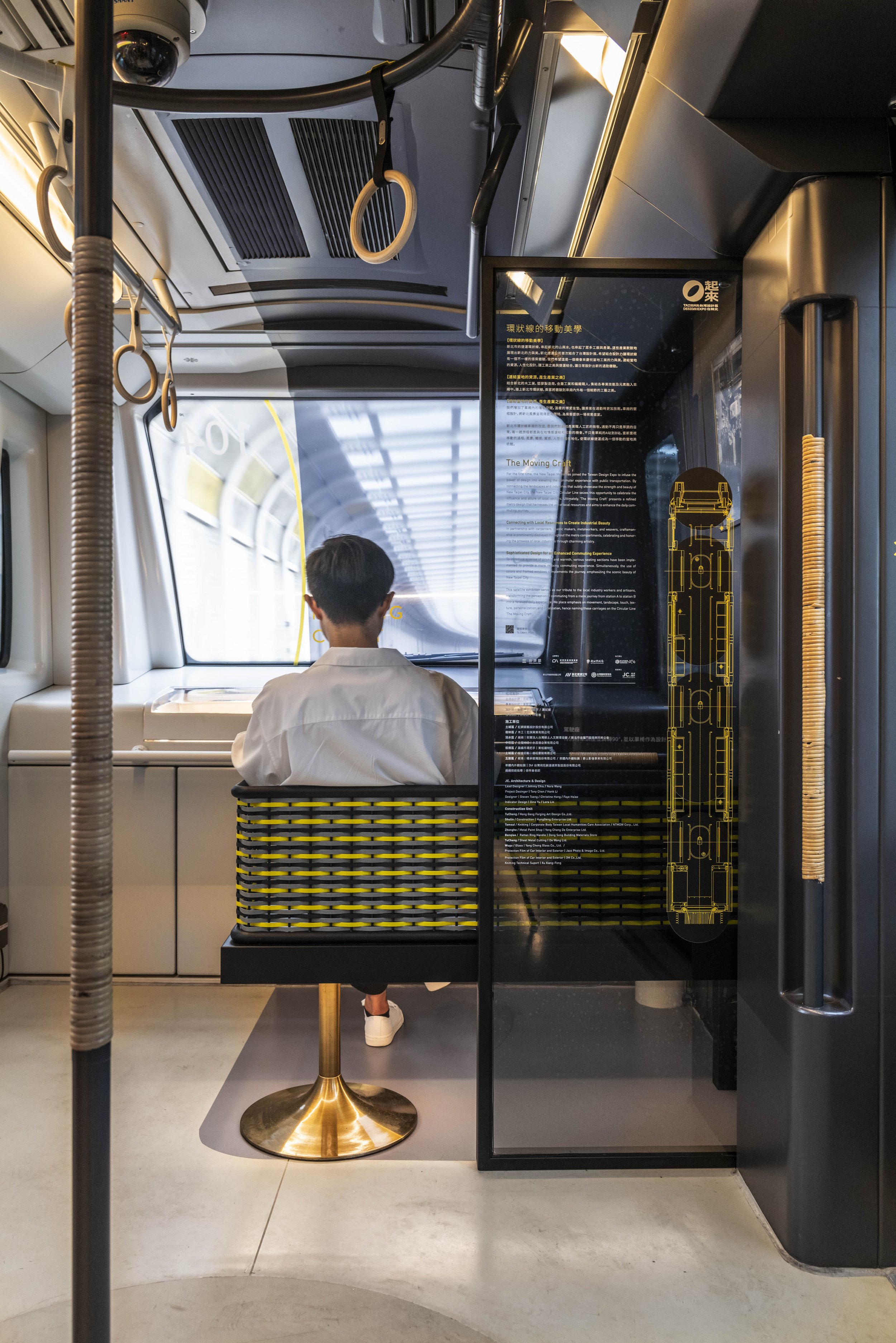
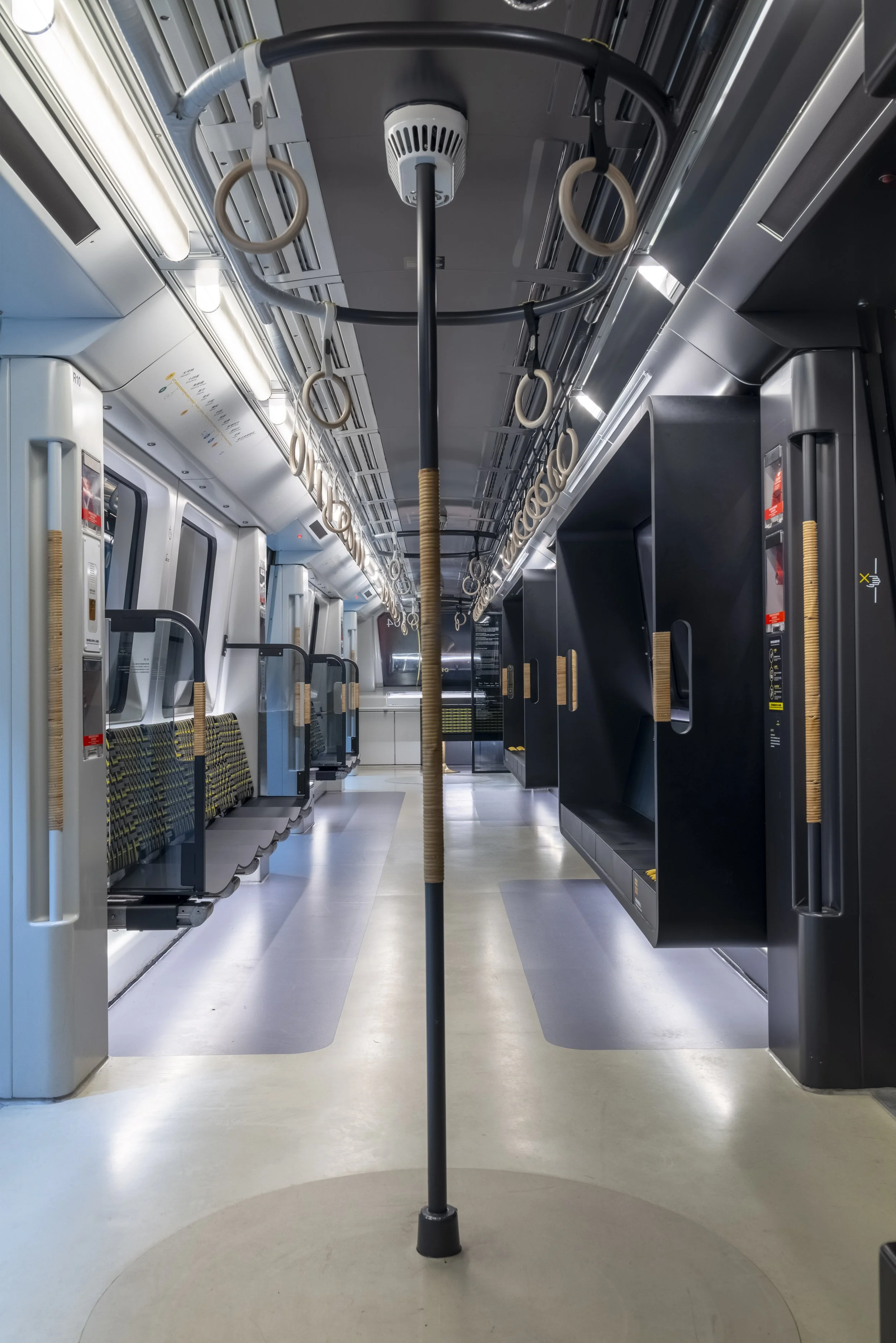
I also have strong feelings about Taiwan Flavour Spectrum and The Moving Craft projects, debating which one takes third place. Taiwan Flavour Spectrum was special because of the client and the design—it had the perfect view, location, and a minimalist yet versatile approach. The Moving Craft, on the other hand, was a miracle. With a limited budget and tight deadlines, we completed the design in three weeks and the construction in another three weeks, and then the metro just rolled out.
Besides being a PM, how do you perceive your role at JC.? Your plate seems to be pretty full with developing ideas, designing, and managing projects. How have you been juggling these responsibilities, and what do you often do to create an environment where everyone has fair opportunities and proper recognition?
I think I am slowly discovering my purpose in this position. I’m still experimenting and testing myself, but I find that when I review and critique designs, and those designs improve based on my feedback, I feel like I’m contributing to the project alongside the team.
I see myself as someone who pushes the design a little further, making it more fun, crazy, or aesthetically pleasing.
As I grew older, my ego changed, and I realised that this has a lot to do with egoism. I used to want to take on every project myself, constantly trying to prove that I could handle anything and win every project. However, I discovered that while I may not be the best at winning projects, I excel at finishing them and ensuring client satisfaction.
By letting go of my ego, I became the person I am today, someone who gives others a chance to shine, to show what they can do. I never judge a design harshly unless it’s truly bad. Instead, I go “Maybe you can do this,” suggesting improvements and then step away for an hour or two to see what changes have been made. I prefer to provide ideas to push the design forward, and then review the progress to see if it’s heading in the right direction.
The difference between Macoto (Executive Associate) and me is that he is more detail-oriented, while I focus on the broader picture, looking at things from a wider perspective. As a result, our collaboration is very complementary. This division of labor allows us to keep both the big picture and the details in mind as we work together to drive JC.'s success.
Do you justify ‘good design’ through your taste or the company’s style, or do you follow the mantra of ‘the client is always right’? How do you balance the client's interests, your standards, and the company’s values?
I believe that design, and the reason to do design, is to find a balance between aesthetics and scientific values. By scientific, I mean there is always a standard on a human scale, which is the scientific part of the design because it’s based on recorded data. Then, there’s the aesthetic, which is the balance between colours, dimensions, and proportions. This also has a scientific aspect, as seen in concepts like the ‘golden ratio’, which is a calculated value.
The idea of ‘perfect proportions’ initially seems sentimental, with its appealing curves and lines. But once you understand it can be calculated, it becomes scientific. That’s how I believe design should be approached, consistently.
Understanding your client’s data helps you create the right aesthetic for them. They provide the data, and I create the visual. However, it’s challenging because few are educated to approach design this way. There is a right process for design, but the question is whether we choose to follow it.
Architects and designers are professionals just like doctors and lawyers. Just as doctors need data to give you a diagnosis, we need data to create our designs. We transform judgments into visuals.
Design is a complex process, but this is how I simplify it into words and phrases. A simple comparison is the process of surgery. A surgery might cost $1,000,000 not because the surgeon is expensive, but because the entire process is costly—the manpower, skills, equipment, CT scans, electricity, heartbeat monitors, etc. Similarly, when you look at design, if I’m working on a $10 million house design for you, it’s important to treat it with the same level of care and seriousness, because, I’m using $10 million of your money to create something valuable.
JC. 成員專訪-資深協理 Tony Chen 陳聖諺
從吉隆坡到跨國企業設計:亞洲家庭期望下的非典型成功之路「永遠瘋狂、永遠不受控」
(訪談以英文進行,此為中譯內容)
對你來說,設計意味著什麼?
其實,成為建築師或進入設計領域從來不是我的首選,甚至從未考慮過。
年少時,我更喜歡玩樂。來自亞洲家庭的期待是我成為律師或醫生。但是我很清楚這兩條路都不適合我——我不喜歡背誦,不適合當律師;也因為沒有選擇生物科目,所以當醫生也不在考慮範圍內。(笑)
不過,我在物理和數學方面表現出色,還很擅長動手做東西。考慮到這幾點,我開始尋找適合的職業方向。姐姐建議我:「既然你擅長數學和手做東西,為什麼不考慮產品設計呢?」這聽起來很有吸引力,但當時馬來西亞和新加坡都沒有產品設計這個專業。唯一的選擇是去英國、美國或德國留學,但媽媽擔心我年紀太小會在國外誤入歧途,反對我出國。
在馬來西亞的教育體系下,我 16 歲就高中畢業了,那時候出國對我來說並不是一個選項。我曾經夢想成為成為太空人,其次是機師,再來是考古學家。甚至考慮過到台灣讀大學,但擔心我的中文寫作能力不足。
直到有一天,我陪朋友參觀吉隆坡的一所大學,發現他們有「建築」這個專業。我聯想到電影《駭客任務》裡的「建築師 The Architect」,以為這個專業或許跟那類工作有關。後來了解到這是設計建築物的學科,於是決定試試看。幸運的是,我最終順利畢業了,雖然成績不算頂尖,但也算完成了學業。
柏成設計 (JC.) 是如何發現你的,還是你發現 JC.?是什麼說服你加入 JC.?
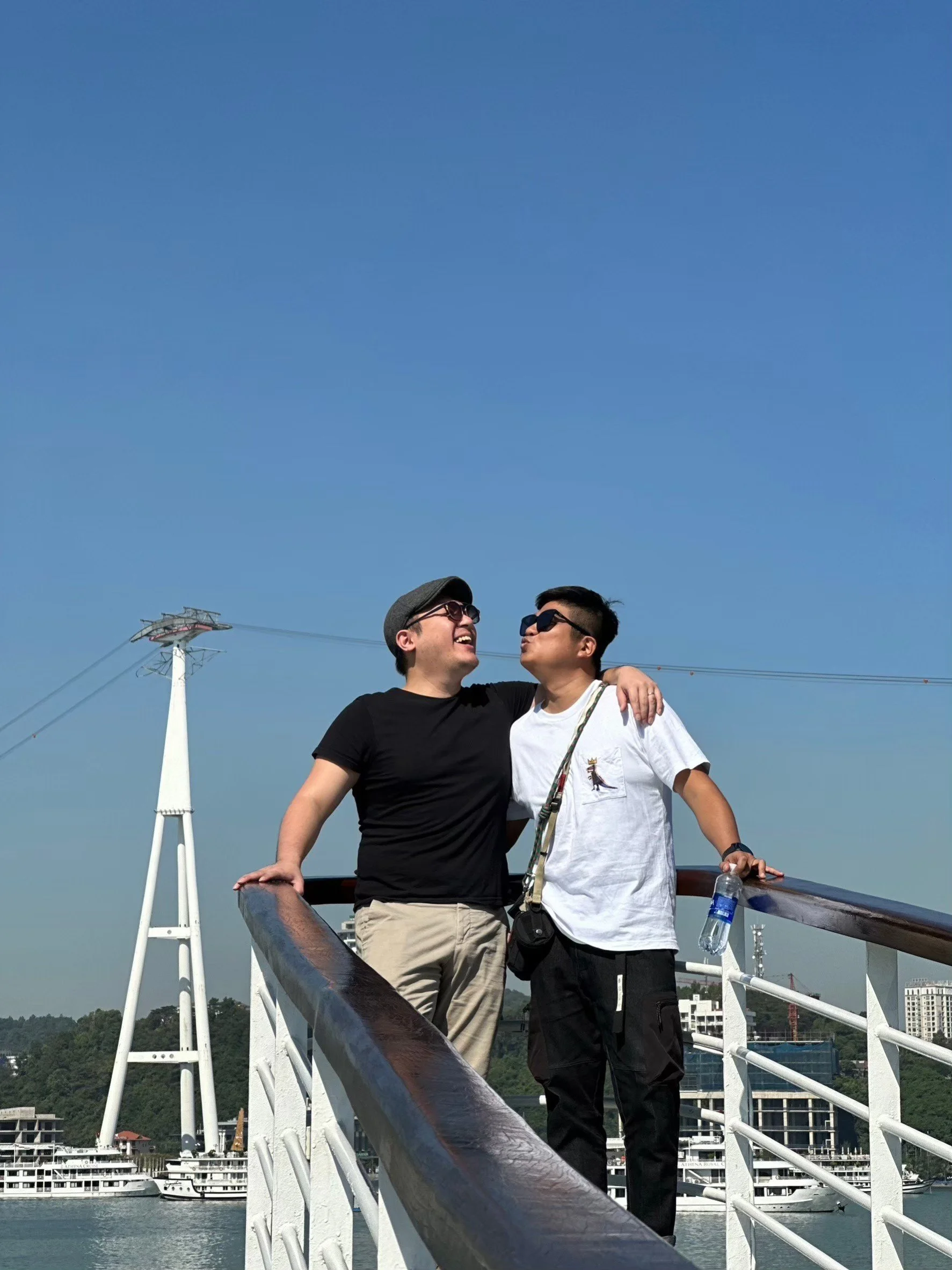
這是一個很長的故事。(笑)我大概是在五六年前加入柏成設計。
我從小在台灣生活,十一歲時離開台灣,後來在海外完成學業。畢業後,我一直有個願景,就是回到台灣生活。我一開始選擇建築相關領域,但很快發現台灣的建築設計環境與我想像的不同。這裡的設計更側重於遵守規範、撰寫論文和進行大量計算,這與我在馬來西亞所學的偏向設計導向、情感驅動和概念化的方式截然不同。
於是我轉向室內設計公司。這對我來說是有趣的挑戰,因為身為建築系畢業生,我很少接觸室內設計。我從為室內空間建造 3D 模型開始,隨著工作深入,我逐漸轉向 2D 設計,開始畫施工圖和設計圖。有一天,我意識到,在過去的室內設計經歷中,我從未真正理解如何做出偉大的設計——真正的偉大設計涉及到正確的過程、深思熟慮的設計理念、對客戶需求和空間的深入研究。
這個「醒悟」促使我重新審視自己的職業道路。恰巧我認識了在 JC. 工作的 Vincent,他曾是我在另一家公司的同事。我開始查看 JC. 的資料和網站,立即被設計理念所吸引。於是,我請 Vincent 幫忙安排了與 Johnny 的面試。當時 JC. 正在擴展,希望涉足更大的空間專案,而我的技能恰好符合他們的需求。於是我成功加入了 JC.,這就是整個過程。
柏成設計 (JC.) 是否幫助你意識到以前不曾欣賞的事物?
我在 JC. 的工作態度一直秉持著「永遠瘋狂、永遠不受控 (always go crazy, always go wild)」的設計理念,即使明知某些做法可能不符合常規,我依然願意嘗試。我喜歡在設計過程中擁有更多的自由,特別是當客戶不確定他們想要什麼時,我可以將固定的基礎轉化為瘋狂而不同的成果。這也是我加入 JC. 的原因之一——我喜歡做自由度高以及能夠施展更多創意的專案。
對我來說,你無法改變壞事,但可以擁抱好事。我訓練自己保持開放的心態,接受他人對我以及專案的評價。我相信事物的自然發展,因此經常用一句中文成語來提醒自己:「船到橋頭自然直」,意思是「一切終將順利解決」。
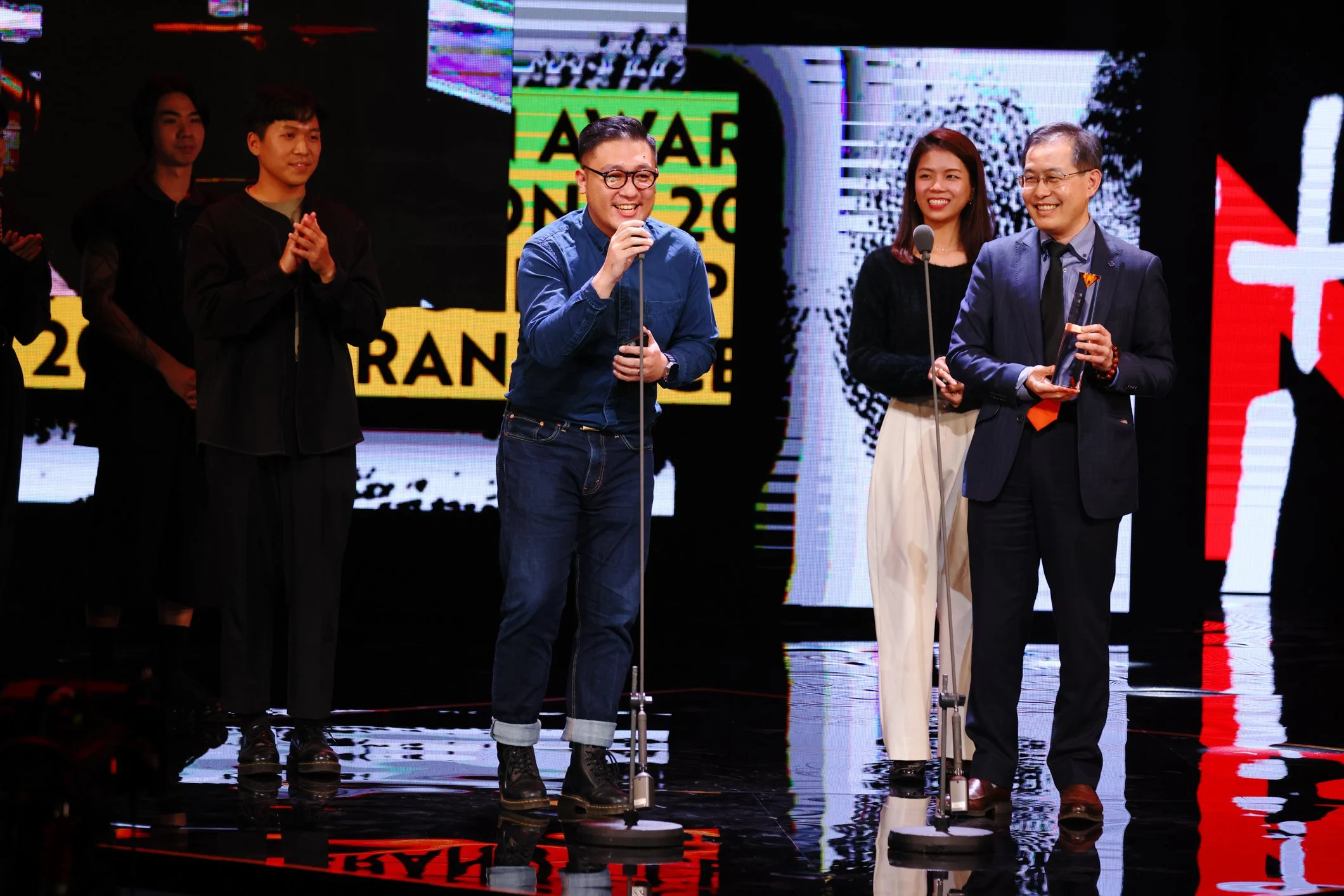
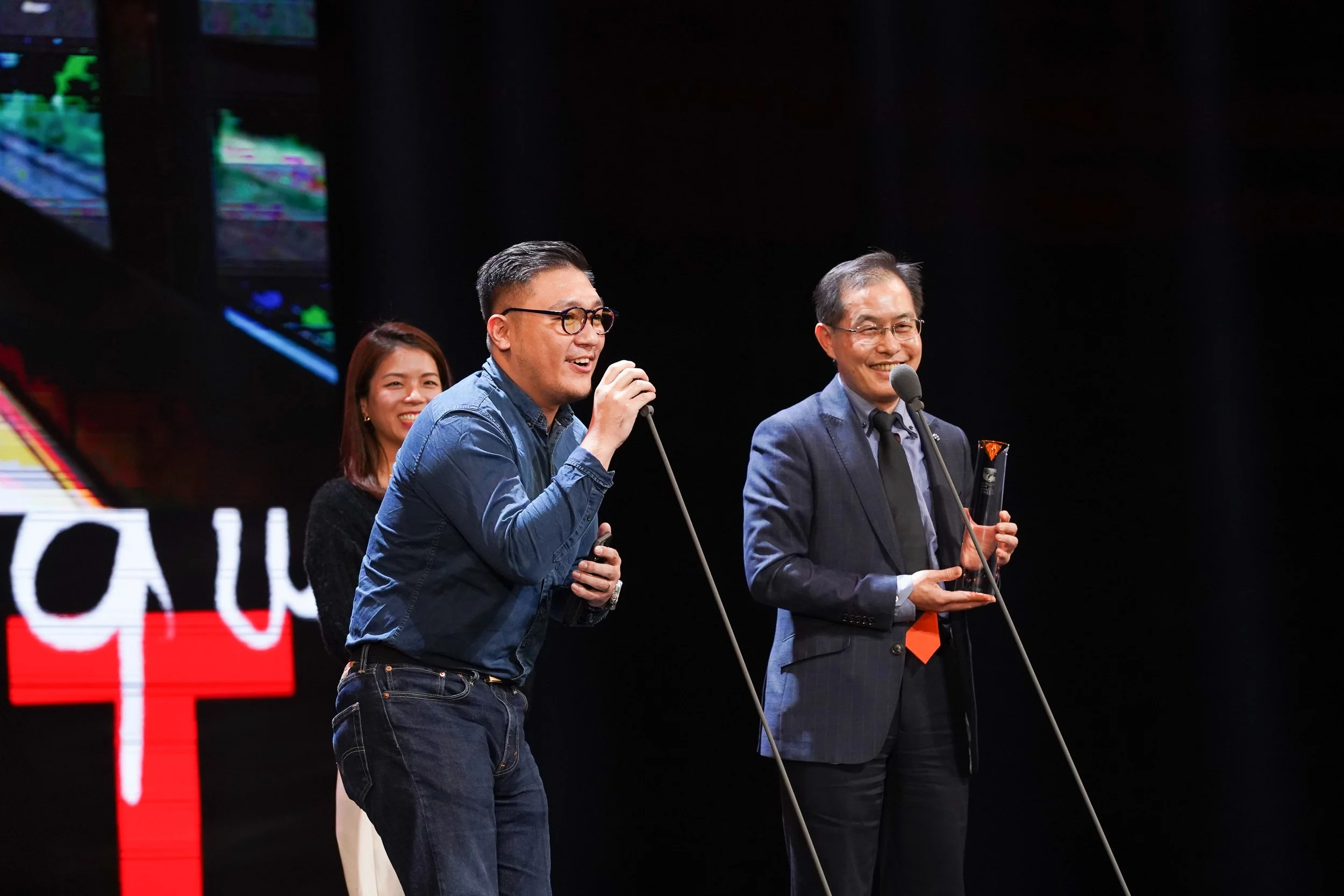
自從你到公司以來,哪些價值觀引導著你?你能描述一下從新進員工到成為主要支柱的旅程嗎?
在這五六年的時間裡,我的角色不斷轉變。從普通設計師到資深協理,我經歷了五次職位晉升。這些轉換對我來說具有挑戰性也帶來回報。我真正熱愛的是親自參與設計,儘管現在的職位要求我更多的關注在管理層面的工作上,但我仍然努力在短暫的時間內參與到設計。
如果可以選擇,我其實更想做專注於設計的專案經理,因為那能讓我更加投入到設計中。作為資深協理,我肩負著為 Johnny 和 Nora 做出最佳決策的責任,我已經適應了這種角色轉變,並努力減輕他們在管理上的負擔。
儘管我的角色發生了變化,但有幾件事我從未改變:
我總是願意幫助同事,這點從未改變。
總是努力推動多樣的設計選項,這也沒有改變。
勇於捍衛自己的設計理念,這點是越來越強烈。
還有,加班這點也沒變(笑)。
一開始,我就以高度的熱情投入工作,經常為公司提供至少十幾個設計理念和繪圖,並曾經加班到凌晨四點。對於我來說,這份工作不僅僅是支持公司和我的同事,也是一種與我的設計熱情保持連結的方式。
如果要你選出三個你在情感和心靈上最有連結的專案,你會選哪三個?為什麼?
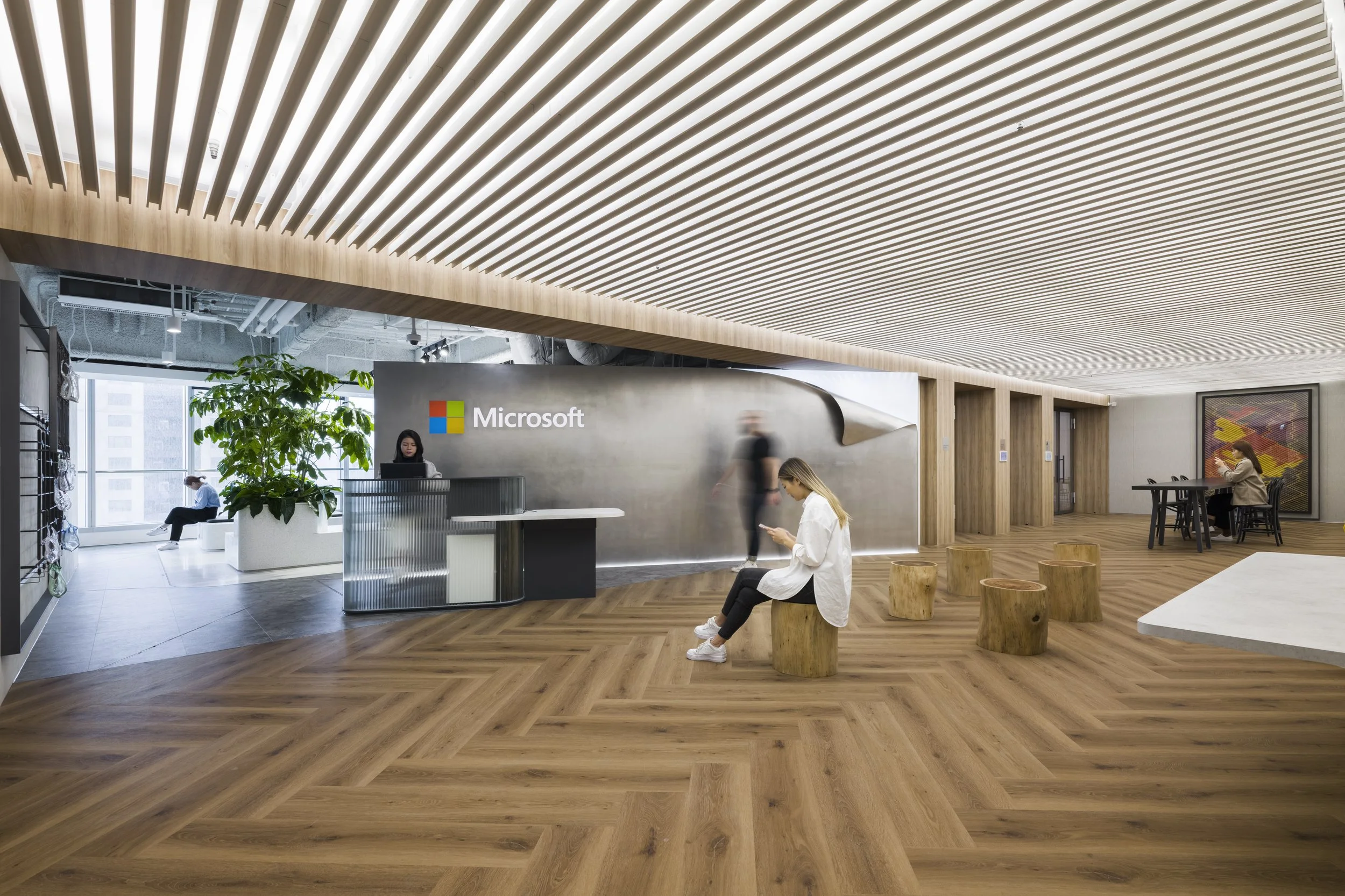
在 JC. 工作期間,我參與了大約十到十一個專案。其中,我認為最有情感連結、也最讓我感到自豪的,非微軟辦公室專案莫屬。當我加入 JC. 時,我對 Johnny 做出兩個承諾:第一,我會在公司待滿兩年;第二,我會爭取到一個重要的國際專案。這兩個承諾都在微軟辦公室專案中得以實現。
這個專案不僅在設計與功能方面教會了我們許多,還讓我們探索了不同的設計哲學,考慮了世代、年齡、性別和平等等多個層面,這些都是我們過去未曾重視的領域。我們因此成長為一個對國際設計方法有全面而且深入理解的公司。我們還編撰了一本《偉大辦公空間的聖經》,詳細記載了各種空間的最佳尺寸。
第二個專案是金融產業辦公大樓專案。當時 JC. 的一位重要成員離職,我不得不承擔雙倍的工作量,尤其是在疫情期間。我們每天加班,穿著防護服,不斷進行消毒。在面對每天接近一千人的挑戰下,這個專案最終非常成功,也因此在我心中留下了深刻的印記。
第三個專案,我有點猶豫要選「台灣味譜實驗所」 還是「新北捷運環狀線—移動的美學」。「台灣味譜實驗所」讓我印象深刻的原因在於它的客戶、設計、完美的視野和地點,以及極簡卻多功能的設計。而「新北捷運環狀線—移動的美學」則是一次奇蹟般的經驗。我們在預算極為有限且時間緊迫的情況下,三週內完成設計,並在 10 天內完成施工,捷運隨即便開始運行。
這三個專案在情感和心靈層面上對我有著深厚的連結,它們不僅代表了我的工作成就,更是我在 JC. 期間成長與學習的重要里程碑。
你的工作繁忙,涉及創意發展、設計和專案管理,你是如何應對?如何創造一個讓每個人都有公平機會和適當認可的環境?
我覺得自己正在逐漸發現這個職位的真正意義。我持續不斷地實驗和測試自己,但當我檢視設計,並看到它們根據我的反饋得到改善時,我感受到與團隊共同推動專案進展的成就感。
我認為自己是一個能夠推動設計更進一步的人,讓設計變得更有趣、更瘋狂或更具美感。
隨著年齡的增長,我的自我意識也在轉變。過去,我總是想要親力親為,試圖證明自己能夠應對任何挑戰,並贏得每個專案。但是,後來我發現,儘管我可能不是最擅長贏得專案的人,但我在專案的完成度和確保客戶滿意方面表現出色。
當我學會放下自我之後,我成為了今天的自己,開始給予他人展示才能的機會。
除非設計真的有很大的問題,否則我不會嚴厲批評。我更傾向於說「也許你可以這樣做」,提出一些改進的建議,然後給設計師一段時間去思考和調整,看有什麼變化。我喜歡提供能推動設計進展的想法,然後檢查進度,看是否朝著正確的方向發展。
我和執行協理 Macoto 的差異在於,他非常注重細節,而我則關注整體的全局。我習慣從更宏觀的角度來看待事物,因此我們的合作非常互補。這樣的分工讓我們能夠既把握大局,又兼顧細節,共同推動 JC. 的成功。
何謂「好的設計」?你如何平衡客戶的利益、你的標準和公司的價值?
我認為,設計的核心在於找到美學與科學價值之間的平衡。科學部分指的是設計基於人類尺度的標準,這些標準是依據實際數據得出的。而美學部分則涉及顏色、尺寸和比例之間的協調。這也包含科學的成分,例如黃金比例,這是一個經過精確計算的數值。
完美比例的概念最初看起來或許是感性的,吸引人的曲線和線條讓人覺得賞心悅目。但當你理解到這些比例是可以計算出來的,它們就轉變為一門科學。這就是我認為設計應該始終進行的方式。
了解客戶的數據有助於為他們創造適合的美學效果。客戶提供數據,而我負責將其轉化為視覺效果。但是這個過程充滿挑戰,因為很少有人受過這樣的設計方法教育。設計有其正確的過程,但關鍵在於我們是否選擇遵循這個過程。
建築師和設計師與醫生和律師一樣,都是專業人士。就像醫生需要依據數據來做診斷一樣,我們也需要依據數據來創作設計。我們將這些判斷轉化為具體的視覺效果。
設計是一個複雜的過程,但我試圖將其簡化為易於理解的方式。就像手術的過程可能花費一百萬美元,這並非因為外科醫生的費用高昂,而是整個手術過程需要大量資源——人力、技能、設備、電腦斷層攝影、電力、心跳監測儀等。
同樣地,當我為你設計一個價值一千萬美元的房子時,我會以同樣的嚴謹態度對待,因為我在用你的資金創造有價值的東西。